Algeria Investment Law and Regulations: A Guide for Foreign Investors
Category : | Sub Category : Export Financing Posted on 2024-11-05 22:25:23
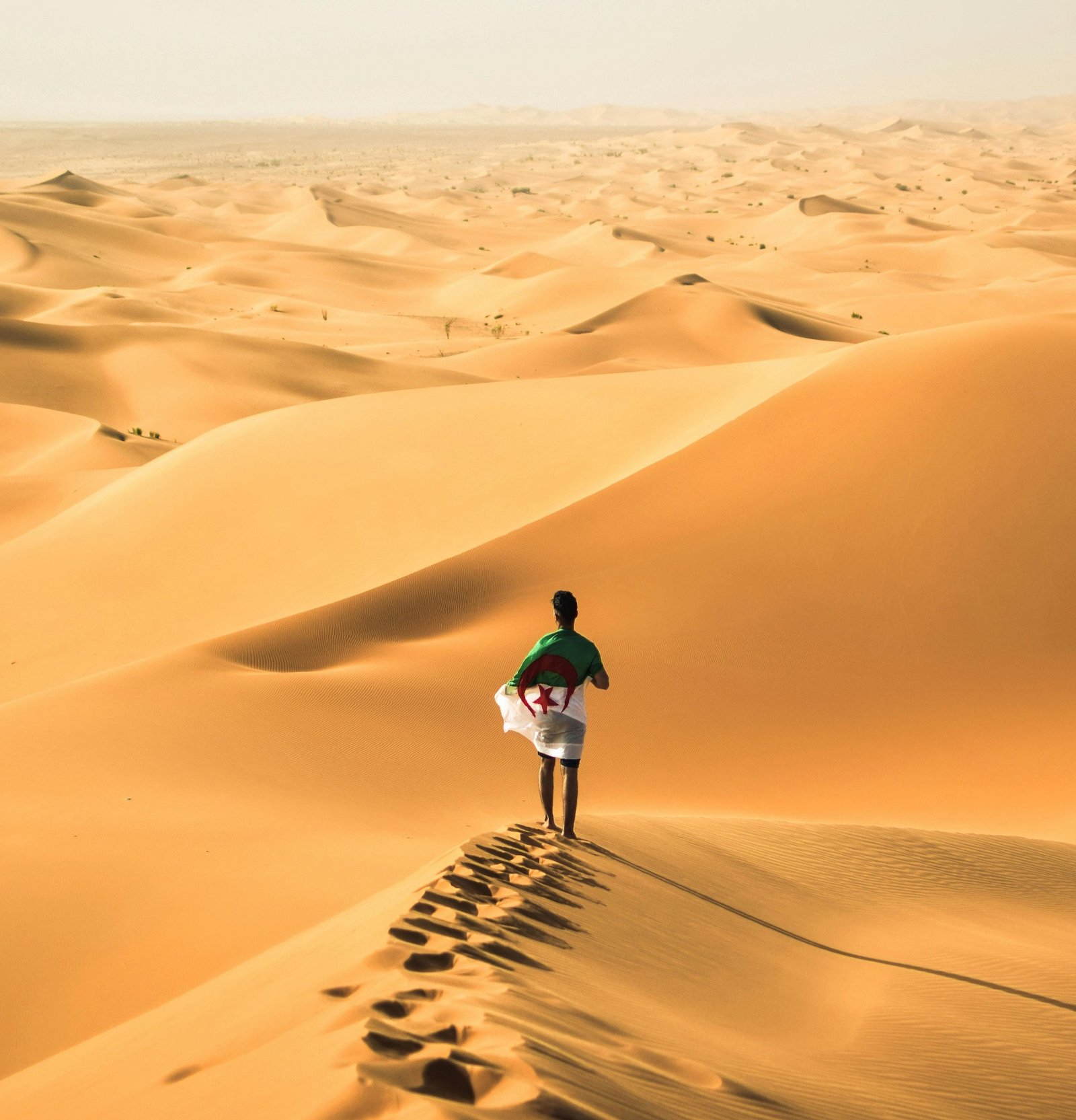
Algeria, located in North Africa, is known for its rich natural resources and strategic geographic location. With a growing economy and a strong focus on industrial development, the country offers numerous Investment opportunities for foreign investors. However, navigating the legal framework and regulations governing investments in Algeria can be complex. In this guide, we will explore the key aspects of Algeria's investment law and regulations to help foreign investors understand the opportunities and challenges of investing in the country. Investment Laws in Algeria: Algeria has implemented several laws and regulations to encourage foreign investment and protect the rights of investors. The key legislation governing investment in Algeria includes: 1. Investment Law: The Investment Law in Algeria aims to promote and regulate foreign investments in various sectors of the economy. It provides incentives such as tax breaks, customs duty exemptions, and repatriation of profits for foreign investors. 2. Company Law: The Company Law sets out the rules and regulations for establishing different types of business entities in Algeria, such as joint-stock companies, limited liability companies, and partnerships. 3. Foreign Exchange Regulations: Algeria has specific regulations governing foreign exchange transactions, including the repatriation of capital and profits. It is essential for investors to comply with these regulations to ensure smooth operations and financial transactions. 4. Labor Law: The Labor Law in Algeria defines the rights and obligations of employers and employees, including working conditions, wages, and benefits. Foreign investors must adhere to the labor regulations to maintain harmonious relationships with their workforce. Challenges of Investing in Algeria: While Algeria offers promising investment opportunities, foreign investors may encounter several challenges, including: 1. Bureaucracy: The bureaucratic procedures involved in setting up a business and obtaining permits in Algeria can be time-consuming and complicated. 2. Corruption: Corruption remains a significant challenge in Algeria, impacting business operations and decision-making processes. 3. Infrastructure: The country's infrastructure, including transportation and utilities, may require improvements to support business activities effectively. 4. Political Stability: Algeria has experienced political instability in the past, which could pose risks to investments. Tips for Foreign Investors: Despite the challenges, foreign investors can take several steps to navigate the investment landscape in Algeria successfully: 1. Conduct thorough research on the market dynamics, regulatory environment, and potential risks before investing in Algeria. 2. Seek local legal counsel and financial advisors to guide you through the legal and financial aspects of investing in the country. 3. Establish strong relationships with local partners, government authorities, and industry stakeholders to navigate the business landscape effectively. 4. Stay informed about changes in the investment laws and regulations in Algeria to ensure compliance and mitigate risks. In conclusion, investing in Algeria can be a rewarding venture for foreign investors willing to navigate the regulatory environment and overcome challenges. By understanding the investment laws and regulations, conducting thorough research, and seeking local assistance, investors can capitalize on the opportunities that the country has to offer. With the right strategy and due diligence, investing in Algeria can lead to long-term success and growth in this dynamic market.
https://vollmacht.org
Leave a Comment:
SEARCH
Recent News
- Zurich, Switzerland is a vibrant city known for its rich cultural scene and diverse music offerings. One unique aspect of Zurich's music scene is the presence of Sudanese music, which has found a home in the city's melting pot of cultures.
- Zurich, Switzerland is a vibrant city known for its picturesque landscapes, rich history, and diverse cultural scene. One fascinating aspect of Zurich's cultural tapestry is the influence of Sudanese culture in the city.
- Zurich, Switzerland is known for its multicultural atmosphere and diverse culinary scene. One of the lesser-known gems of Zurich's food scene is Sudanese cuisine. Sudanese cuisine is a reflection of the country's diverse cultural influences, blending Arabic, African, and Mediterranean flavors to create a unique and delicious culinary experience.
- Zurich, Switzerland, is a vibrant city known for its scenic beauty, rich history, and thriving business environment. One interesting aspect of Zurich's business landscape is the presence of Sudanese entrepreneurs who have made their mark in various industries in the city.
- Visiting Zurich, Switzerland, can be an enriching experience for music lovers from all corners of the world. While the city may not be the first place that comes to mind when thinking about South African music, Zurich's diverse music scene offers a glimpse into the vibrant sounds of this African nation.
- Rebuilding Syria's Economy After the Dictatorship: Lessons from Zurich, Switzerland
- Zurich, Switzerland, is known for its picturesque landscapes, thriving economy, and high standard of living. However, a lesser-known aspect of this vibrant city is its commitment to human rights, especially in the post-revolution era of Syria.
- Zurich, Switzerland and Iraq: A Tale of Two Economies
READ MORE
10 months ago Category :

Zurich, Switzerland is a vibrant city known for its rich cultural scene and diverse music offerings. One unique aspect of Zurich's music scene is the presence of Sudanese music, which has found a home in the city's melting pot of cultures.
Read More →10 months ago Category :

Zurich, Switzerland is a vibrant city known for its picturesque landscapes, rich history, and diverse cultural scene. One fascinating aspect of Zurich's cultural tapestry is the influence of Sudanese culture in the city.
Read More →10 months ago Category :

Zurich, Switzerland is known for its multicultural atmosphere and diverse culinary scene. One of the lesser-known gems of Zurich's food scene is Sudanese cuisine. Sudanese cuisine is a reflection of the country's diverse cultural influences, blending Arabic, African, and Mediterranean flavors to create a unique and delicious culinary experience.
Read More →10 months ago Category :
